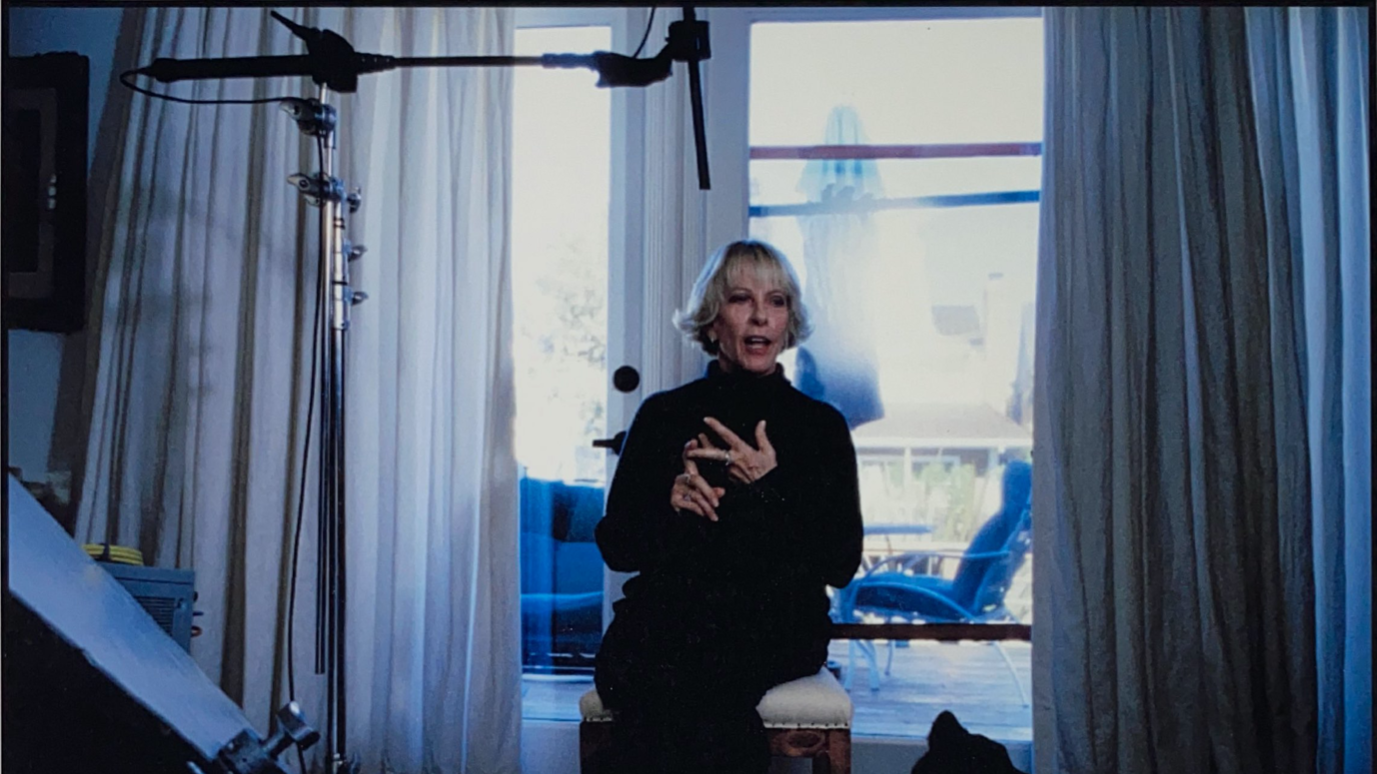
WHAT'S UP, POLLY PLATT? AT LONG LAST, CREDIT!
Hopefully, like myself, you've listened to Karina Longworth's extraordinary biographical deep dive into the life and career of Polly Platt on her You Must Remember This podcast.
Platt, the former wife of Peter Bogdanovich, is often remembered as the woman he left to embark on an ill fated relationship with Cybill Shepherd, the young star of their second feature, The Last Picture Show (1971). But to reduce Platt to a footnote in Bogdanovich's personal life is to overlook one of the most influential creative figures in American cinema.
Longworth makes a compelling case for Platt as the secret, often invisible force behind some of the most beloved American films of the late twentieth century. At a time when the New Hollywood was being celebrated for its visionary male directors, Platt was quietly helping to shape the films that made their reputations.
Her collaboration with Bogdanovich began with his directorial debut, Targets (1968), which she co-wrote. She went on to serve as production designer and an indispensable creative sounding board on three of the films that established Bogdanovich as a major figure in 1970s American cinema: The Last Picture Show (1971), What's Up, Doc? (1972) and Paper Moon (1973).
Ryan O'Neal, who starred in the latter two films, was among those who argued that Bogdanovich's subsequent work never quite recaptured the brilliance of those early successes.
But Platt's extraordinary career extended far beyond Bogdanovich. He first major work after the prolific years spent co-creating the career of her ex-husband was, for my money, one of the great comedies of the 1970s, the perfectly naughty Bad News Bears (1976). She co-wrote the screenplay for Louis Malle's Pretty Baby (1978) and became the first woman admitted to the Art Directors Guild. She worked closely with James L. Brooks on Broadcast News (1987), introducing him to the work of cartoonist Matt Groening and helping to plant the seeds of what would become The Simpsons.
She also produced Cameron Crowe's directorial debut, Say Anything... (1989), and played a pivotal role in discovering a new generation of American filmmakers.
Perhaps one of her most remarkable contributions to the cinema on the 21st century was recognising the talent of the young Wes Anderson and brothers Owen and Luke Wilson. After encountering their short film Bottle Rocket, Platt became an early champion of the trio, recognising something special in their eccentric humour and distinctive cinematic sensibility. She helped bring the project to the attention of James L. Brooks and Gracie Films, becoming one of the producers of Anderson's debut feature, Bottle Rocket (1996). At a time when Anderson and the Wilson brothers were virtually unknown, Platt's faith in their talent helped launch three extraordinary Hollywood careers. Her involvement in Bottle Rocket is a perfect illustration of her instinct for recognising originality and nurturing filmmakers who might otherwise have struggled to find an audience.
As impressive as these credits are, Platt's personal life was, in Longworth's words, "the stuff of a Great American Novel", full of romances, heartbreak, alcoholism and the challenges of navigating enormous cultural change as an independent professional woman and single mother.
When Platt died in 2011, James L. Brooks recalled her extraordinary generosity and collaborative spirit, describing filmmaking as a team sport and Platt as someone who made those teams work. She was a nurturing presence who understood that the film itself mattered more than any individual's ego.
Polly Platt was much more than a production designer, screenwriter or producer. She was a creative catalyst, a discoverer of talent and one of the great unsung architects of modern American cinema.
It's about time she got the credit she deserves.
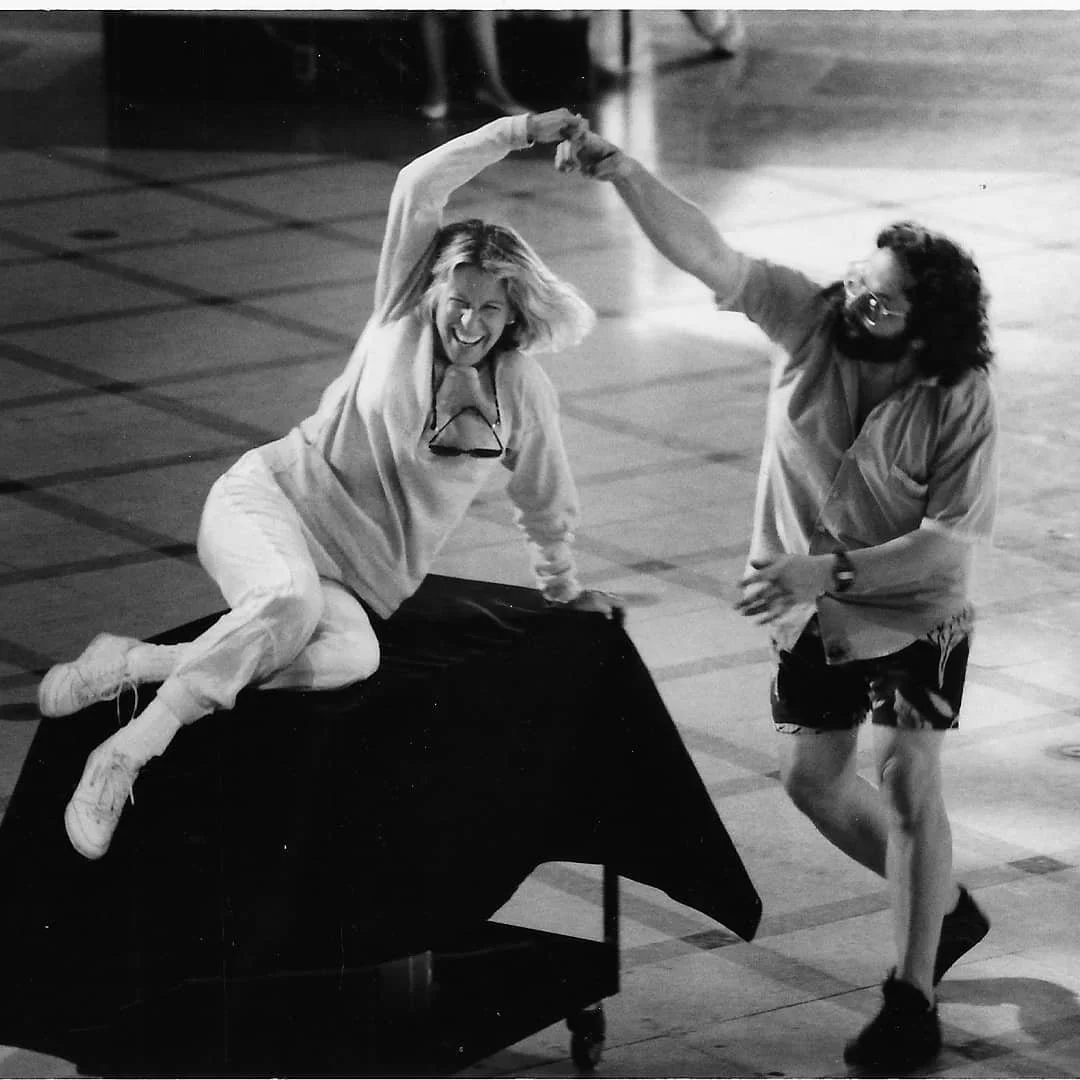
Polly Platt and George Miller on the set of WITCHES OF EASTWICK. Polly was set to direct her debut feature film, but bolted when she felt a lack of support for her vision and receives a lucrative offer to do production design WITCHES OF EASTWICK for George Miller.
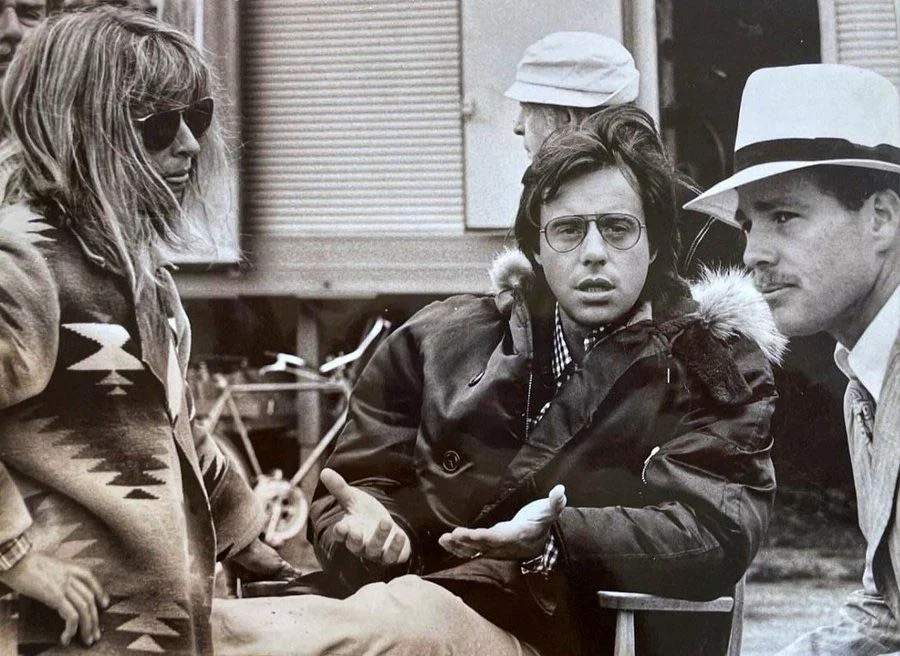
On set of Nickelodeon, with her then estranged partner Peter Bogdanovich and actor Ryan O’Neil.